VIP’s Growth Stalls as Product-Market Mismatch and Inventory Stress Trigger a Structural Slowdown
Excess soft-luggage inventory, underutilised Bangladesh capacity, and discount-driven clearance compressed margins and stalled growth.
Manyavar’s once rapid expansion has flattened, with only 2 net store additions in FY25 and a decline of 7 stores in H1FY26. The brand is now shifting from footprint-led growth to a productivity- and optimisation-led strategy as the ethnic-wear market matures.
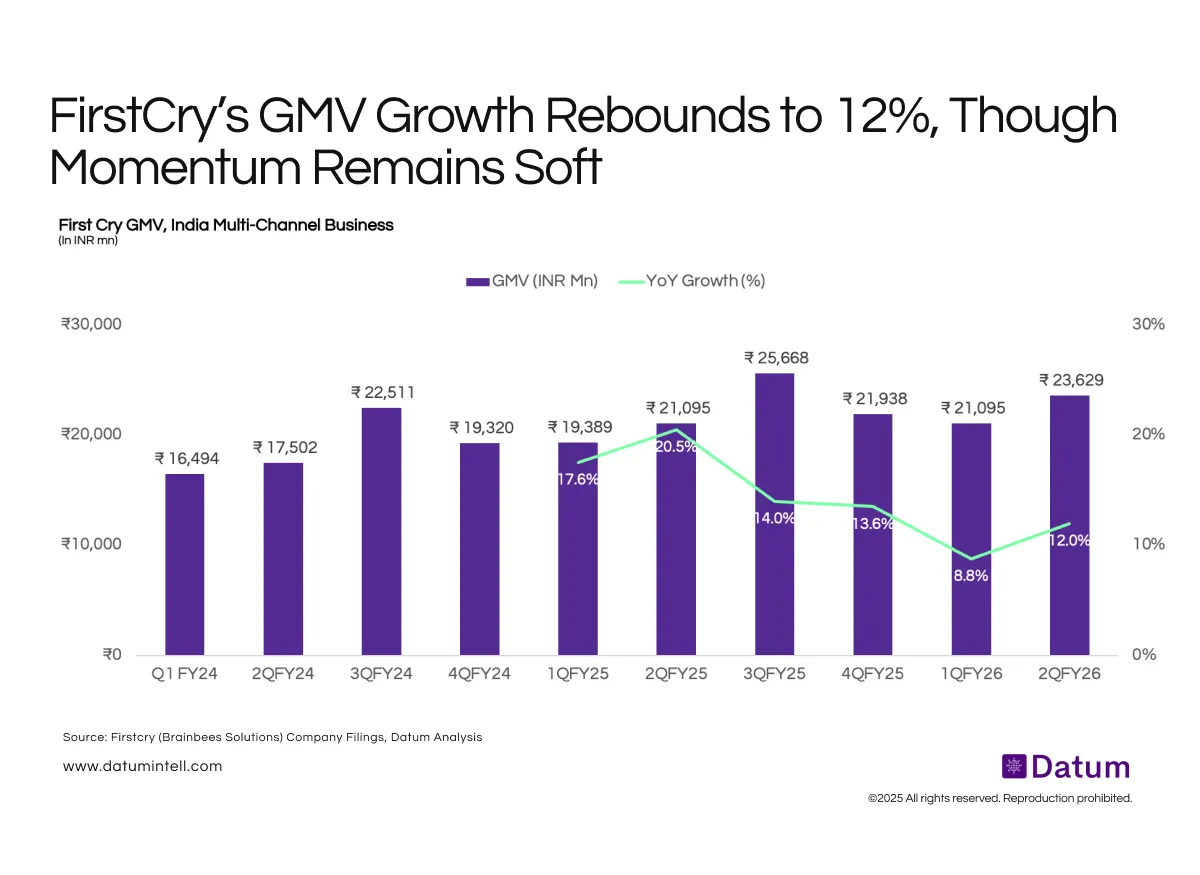
FirstCry maintains steady double-digit GMV growth, supported by strong omnichannel execution and sustained consumer demand across key baby and kids categories.
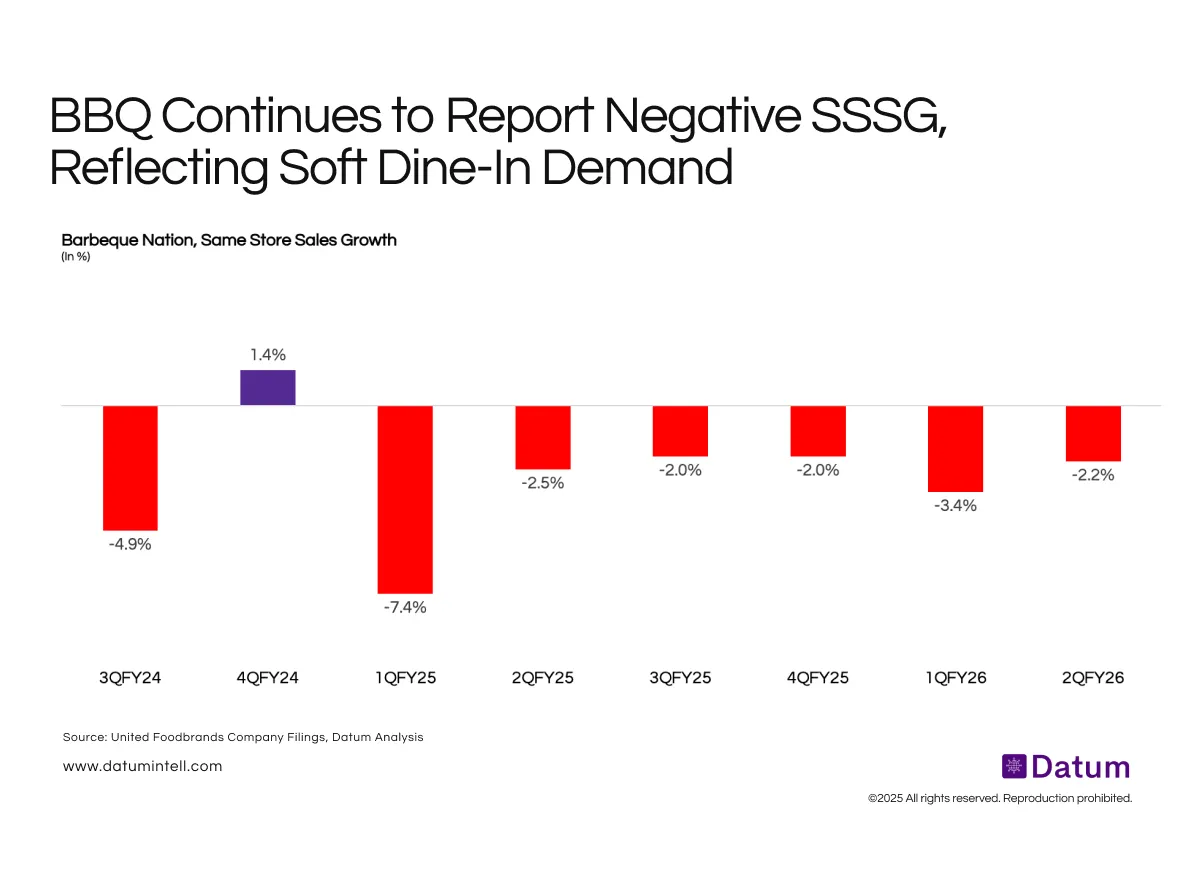
Barbeque Nation’s SSSG has stayed negative for most quarters, underscoring soft discretionary demand and limited unit-level momentum despite ongoing store expansion.
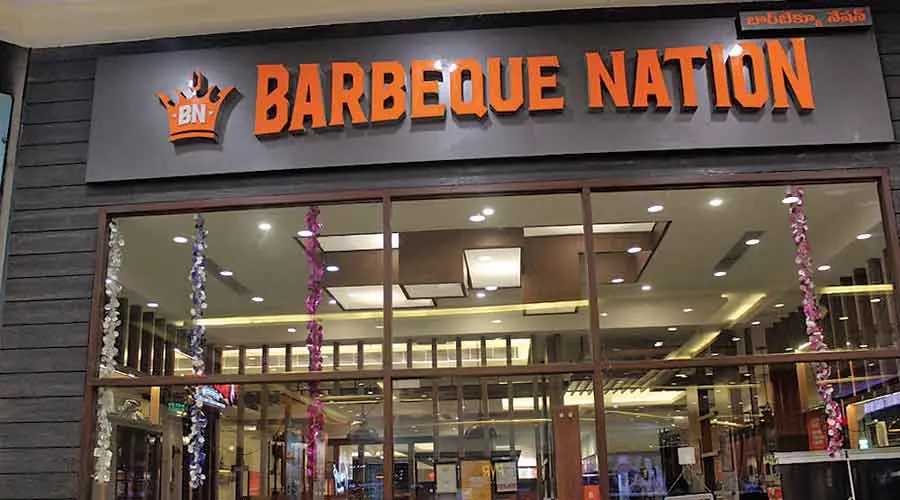
Barbeque Nation continues to add stores, but per-restaurant revenue has plateaued, indicating a shift toward footprint-driven growth and softer unit-level momentum.
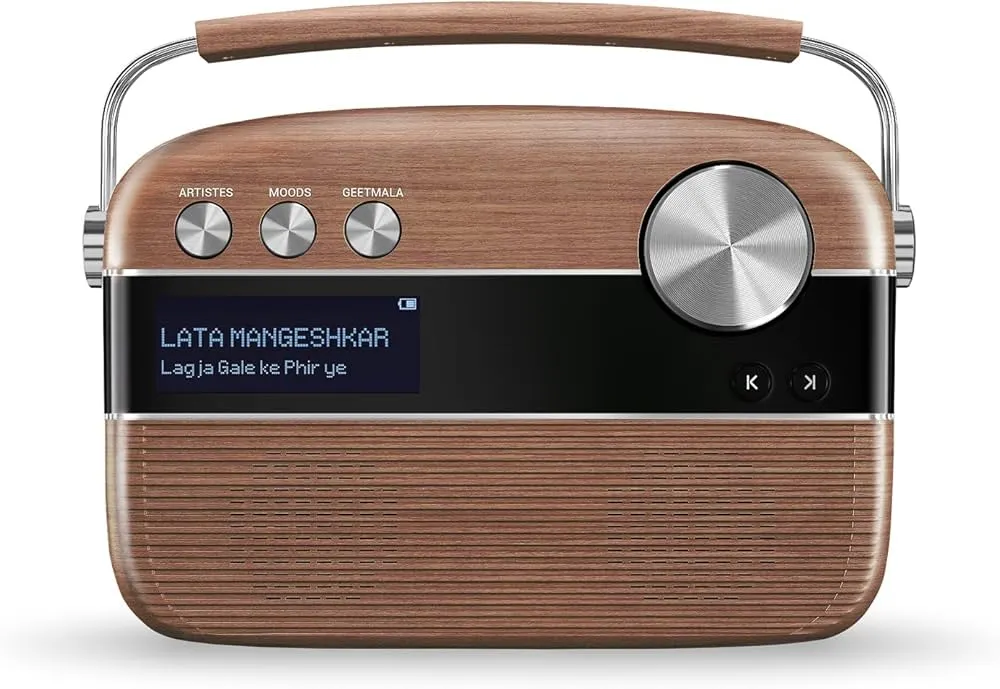
After hitting peak demand in FY24, Carvaan volumes have sharply corrected, reflecting category maturation and the fading of one-time adoption and gifting-led surges.
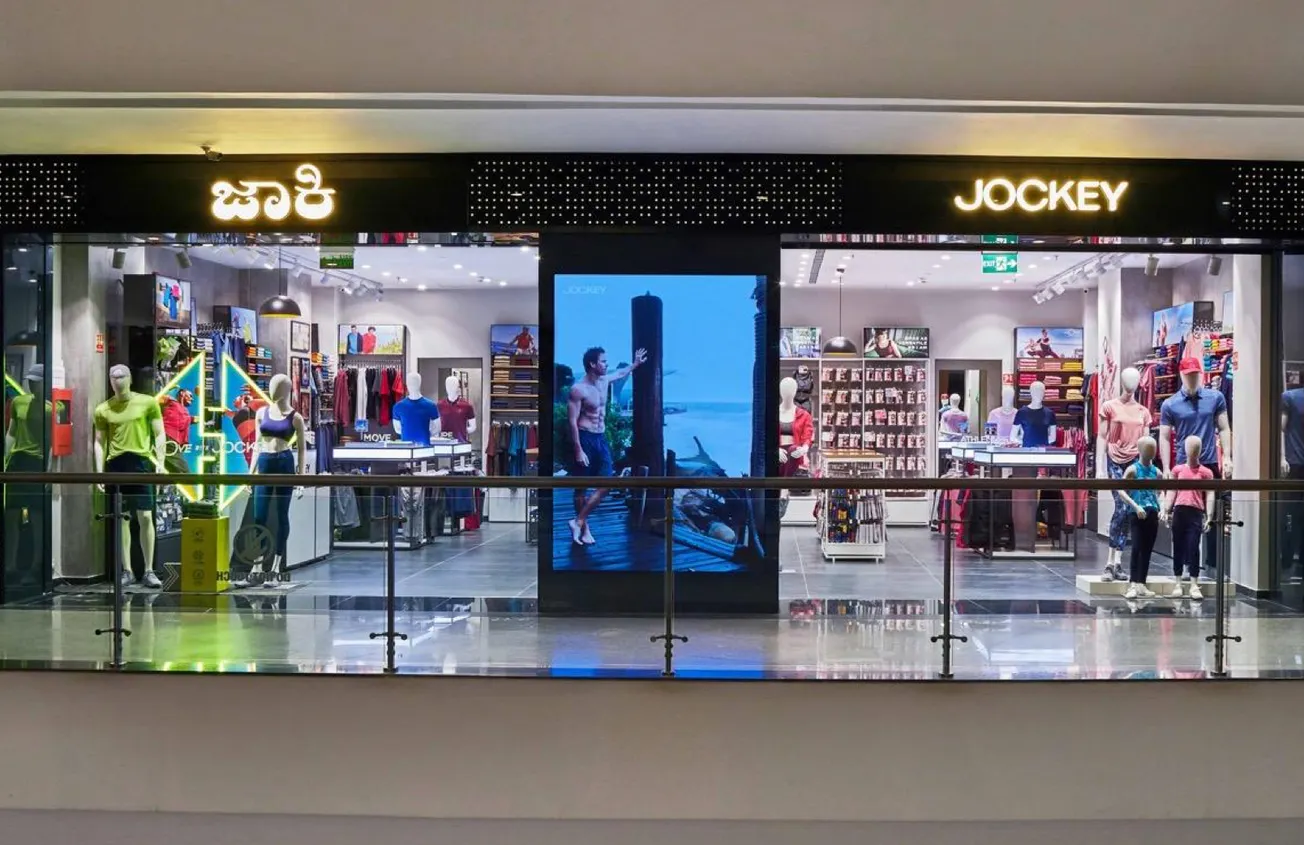
After a deep FY23 reset, Page Industries’ core Jockey franchise has stabilised, driving consistent mid-single-digit volume recovery, supported by normalised inventory and steady traction across innerwear, athleisure, and Speedo swimwear.
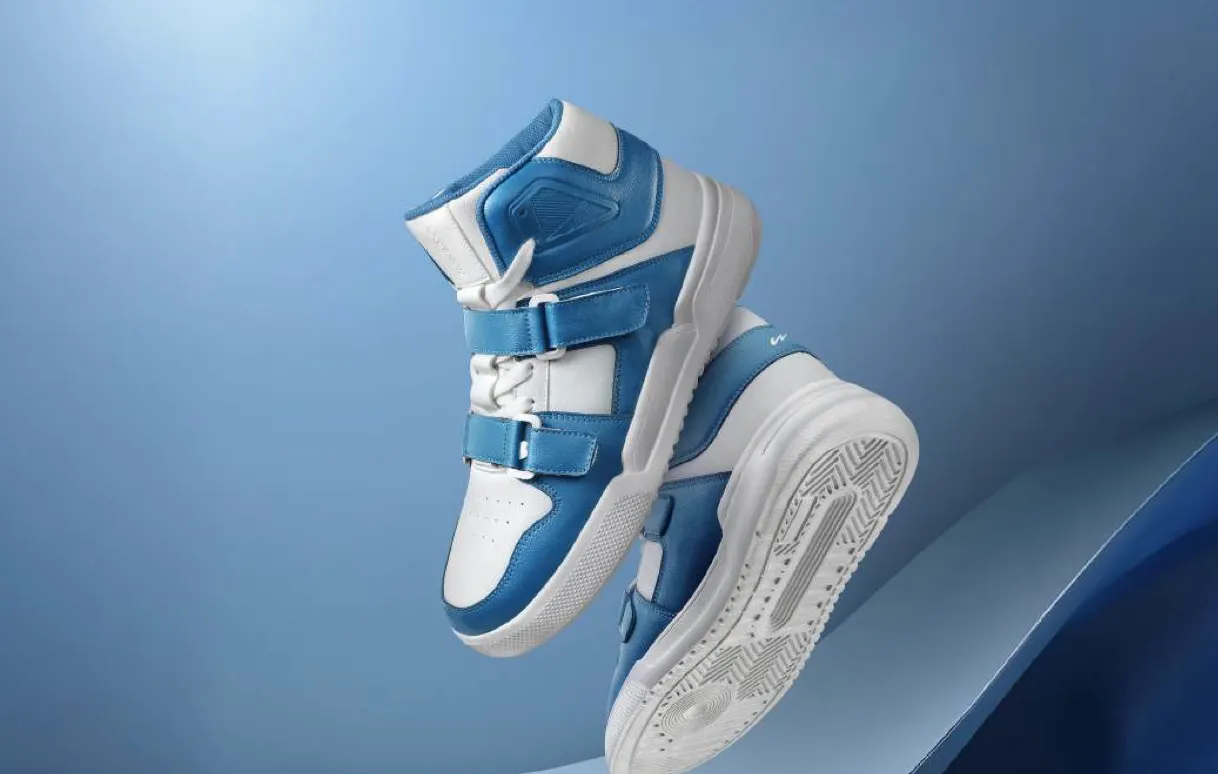
Campus’ volumes remain choppy, but strong ASP progression signals ongoing premiumisation and improved realisation per pair, helping stabilise overall performance.
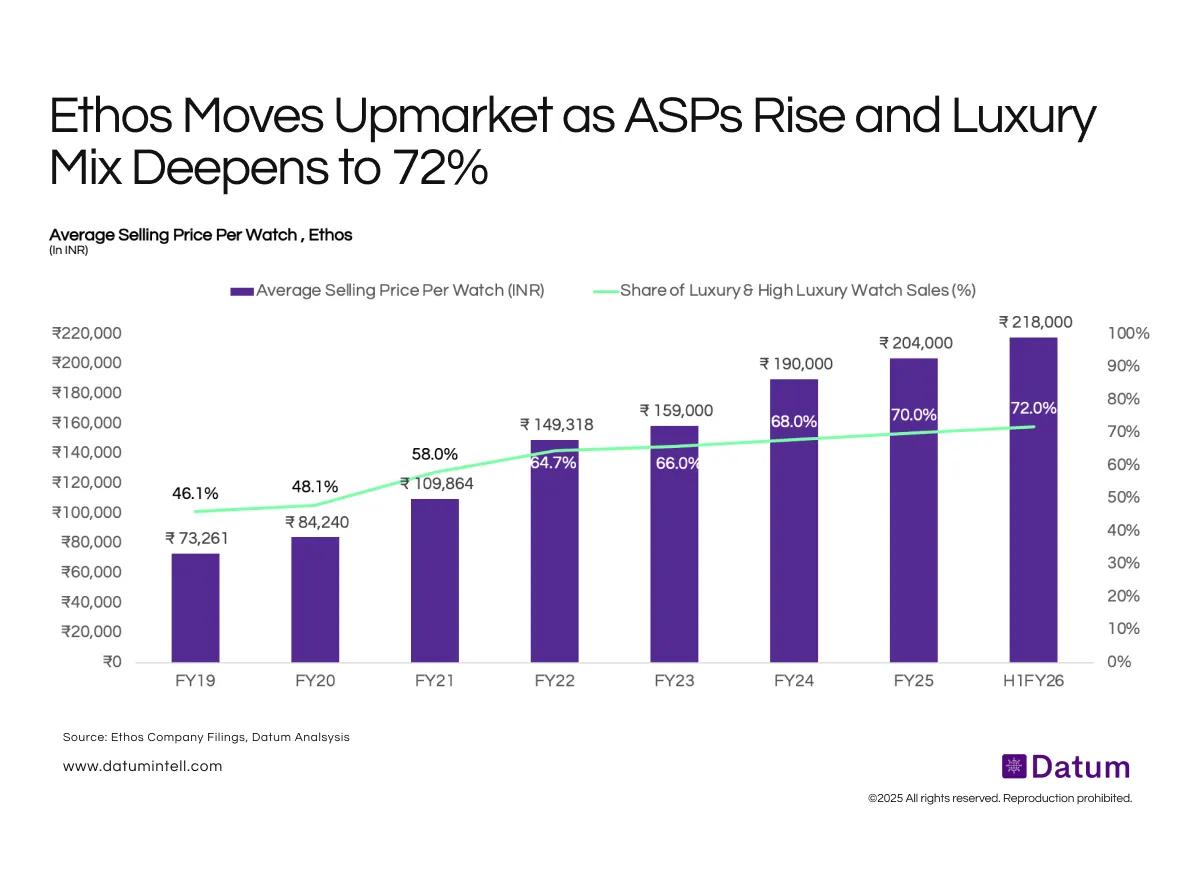
A sharp rise in ASPs and the luxury mix highlights Ethos’ successful pivot toward premium categories, reinforcing its position as India’s leading luxury watch retailer.
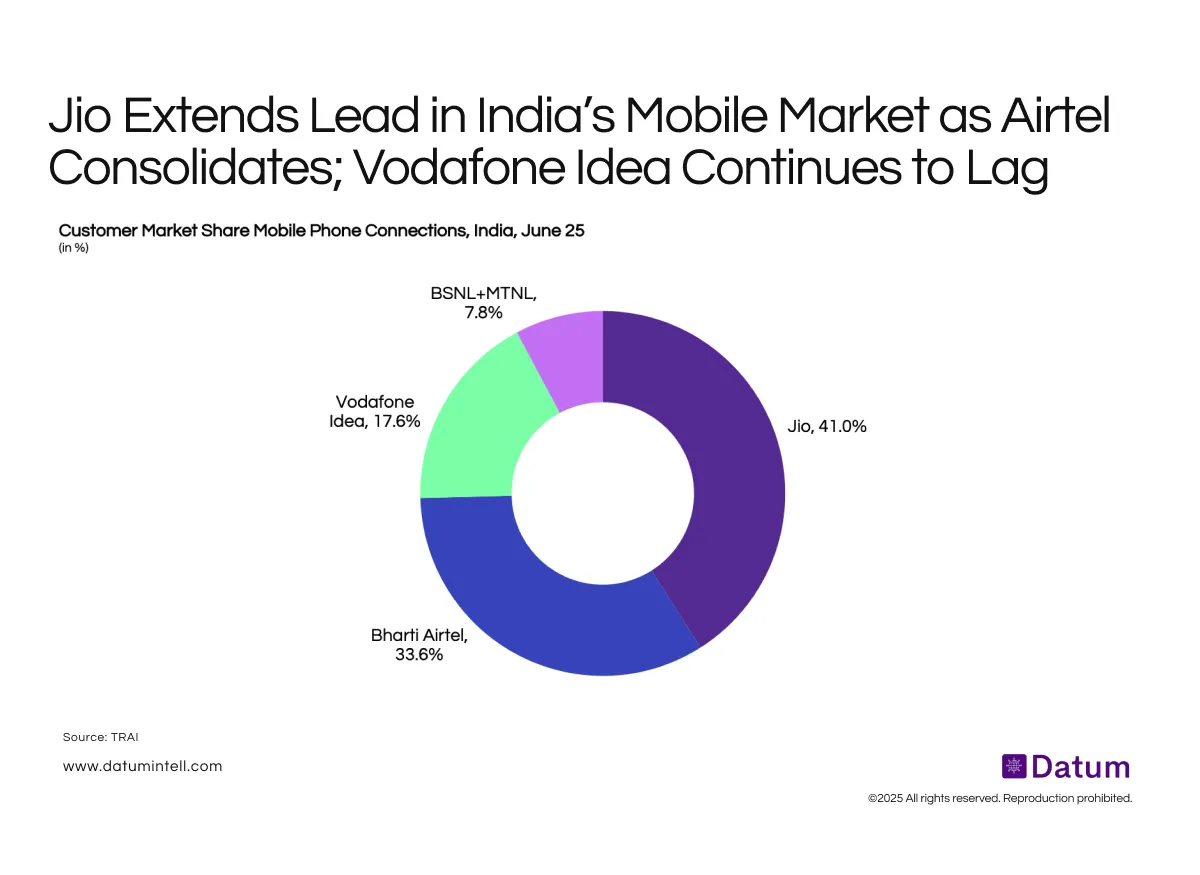
Jio and Airtel now control nearly three-quarters of India’s mobile connections, reflecting a structurally consolidated market. Vodafone Idea and state operators remain on the back foot, reinforcing a clear two-player leadership model.
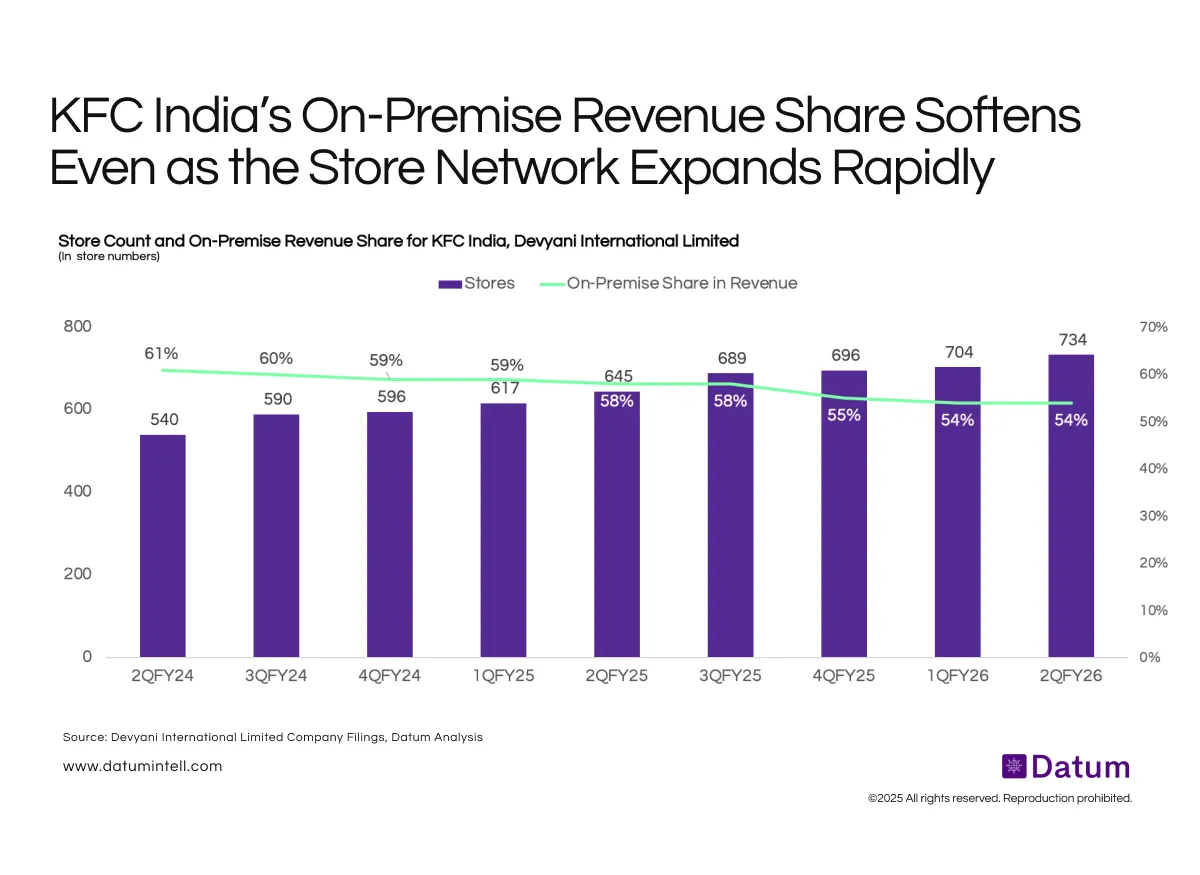
KFC India’s rapid footprint expansion is reshaping its channel economics, with off-premise consumption taking a larger share of revenue even as the store base grows. The gradual decline in dine-in contribution signals a structural evolution toward a delivery-first footprint across markets.
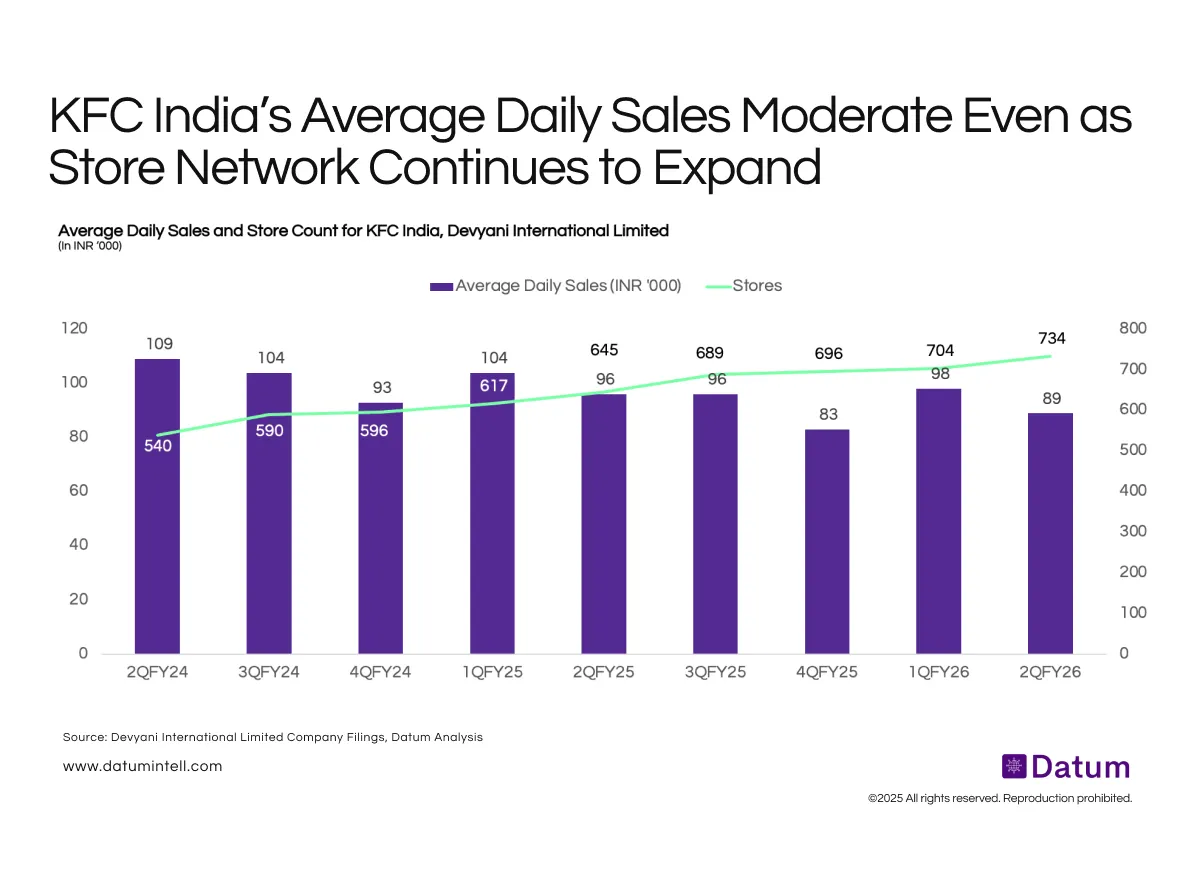
KFC India continues to enlarge its footprint, but average daily sales per store have softened over eight quarters, signalling unit-level pressure amid aggressive expansion. The slight recovery in FY26 indicates stabilisation, but productivity remains below FY24 peaks.
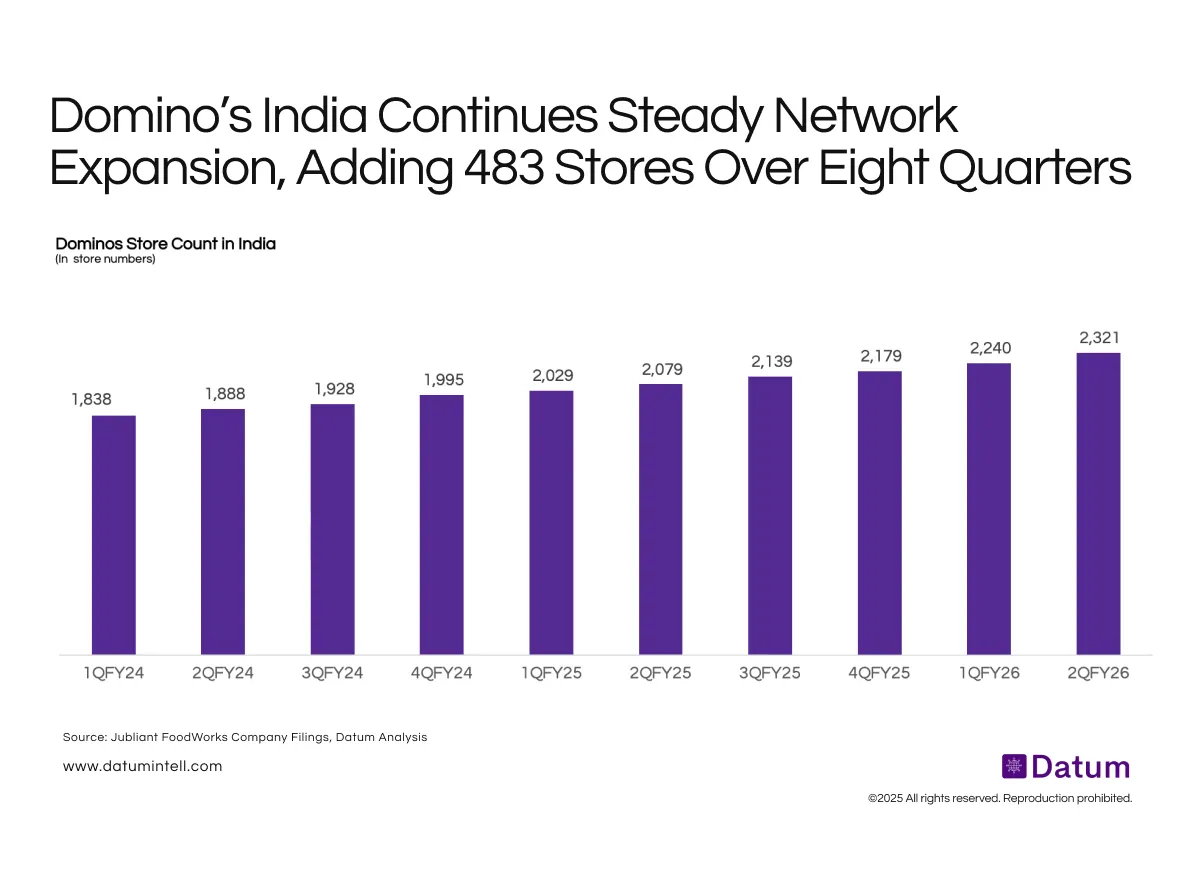
Domino’s added 483 stores over eight quarters, reinforcing its leadership position and deepening reach across India. Its expansion strategy remains footprint-led, with continued push into Tier 2/3 markets and a delivery-first model enabling rapid scale.
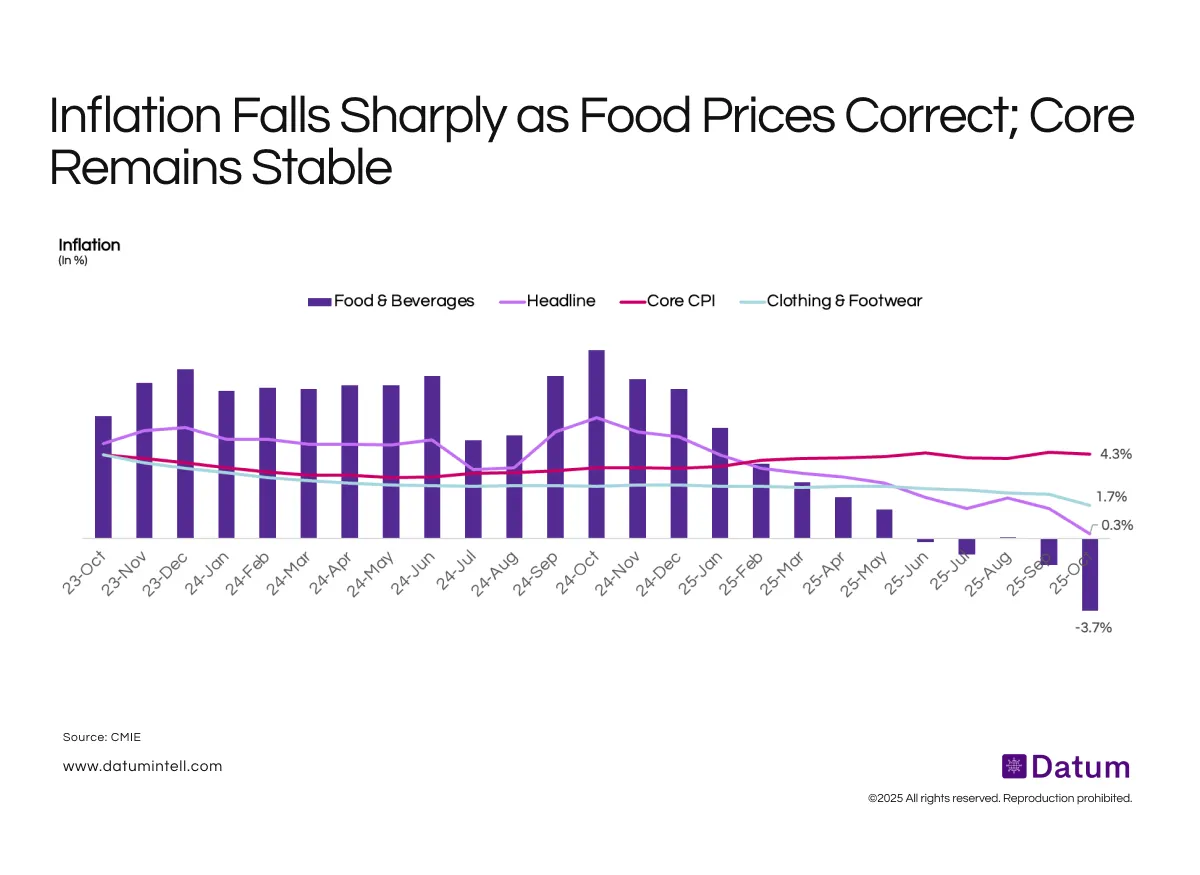
A steep correction in food prices has pulled headline inflation close to zero, even as core remains steady. The combination of food disinflation, soft fuel costs, and stable underlying demand sets a supportive backdrop for consumption and growth.
After a temporary dip, Honasa’s revenue growth has stabilised at mid-teen levels, supported by strong LFL recovery, expanding distribution, and rapid scale-up of younger brands like The Derma Co. and Aqualogica. The business enters 2HFY26 with strengthened fundamentals and broader category momentum.
Domino’s has transitioned from negative LFL growth in FY24 to strong double-digit gains in FY25, lifting revenue growth to ~19%. Though moderating in FY26, the improved LFL trajectory highlights a healthier base and stronger underlying demand.